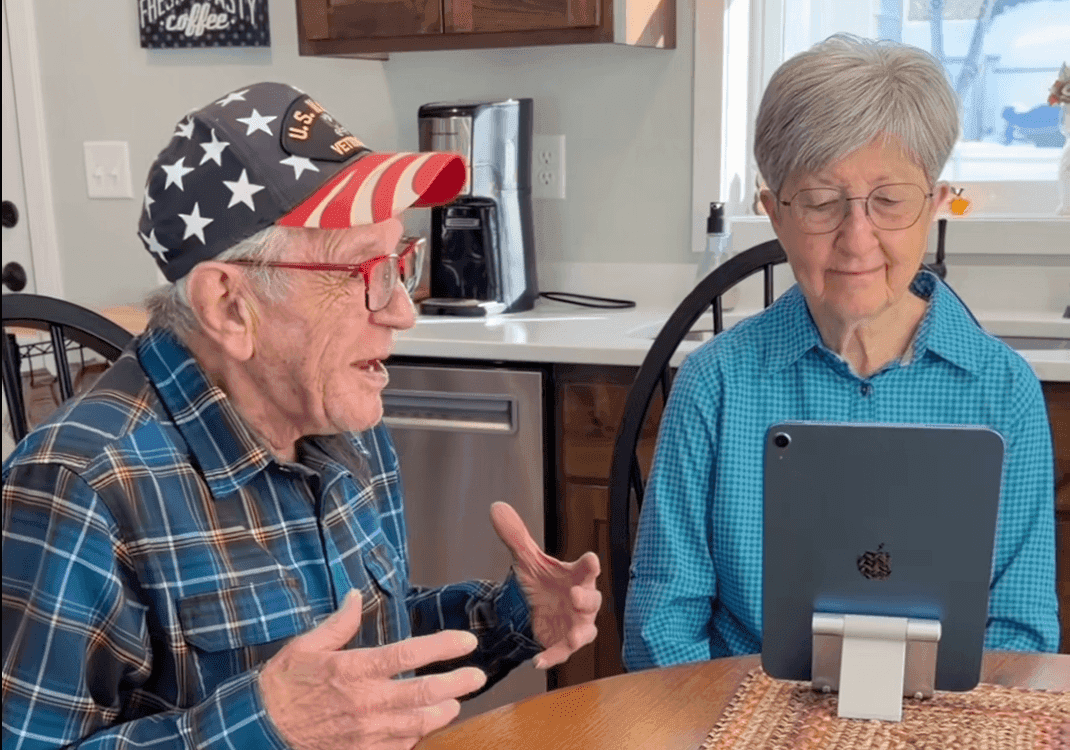
Whether you're the one recording or you're helping someone else, a few simple choices can improve how a story looks and feels. Remento is designed to be easy and natural—no special gear required—but thoughtful setup helps your family preserve memories in the clearest, most personal way possible.
Choose a quiet space
A quiet room helps preserve the tone, pauses, and small details in a storyteller’s voice. Look for a space where you won’t be interrupted by other people, background TV, or outside noise. If you're helping someone else set up, you might try recording at a time of day when the house tends to be calm. Even small steps, like closing a door or muting nearby devices, can make a big difference in the final recording.
Turn off notifications
Unexpected phone calls or texts can interrupt a powerful story moment. If you're recording with a phone, switch it to airplane mode before you begin. This prevents incoming alerts from cutting off the recording or pulling you out of the moment. If you’re supporting someone else, consider silencing your own phone to keep the environment quiet and respectful.
Prop up your phone
If you're recording with a phone, place it on a stable surface rather than holding it in your hand. This keeps the image steady, which helps viewers focus fully on what’s being said. You can use a stack of books, a coffee mug, or a phone stand to bring it to the right height. A little preparation here goes a long way toward creating a recording that feels calm and focused.
Set the camera at eye level
The goal is to make the video feel like a natural conversation. Try to place the camera so it’s roughly even with the storyteller’s eyes. If the camera is too low or too high, it can be uncomfortable to maintain eye contact or result in an angle that feels less personal. If you're helping someone else record, you might adjust the device height before they begin so they can focus entirely on the story.
Face a light source
Good lighting helps bring out the storyteller’s facial expressions, which are often just as meaningful as the words being shared. If you’re indoors, sit near a window or turn on a lamp so the light is coming from in front of you, not behind. Morning and afternoon sunlight is usually soft and warm, which works well for recording. If the light is behind you, your face will appear in shadow and be harder to see.
Keep the background simple
A tidy background helps keep the viewer’s attention where it belongs—on the storyteller. You don’t need a blank wall, but it helps to remove visual distractions like clutter or movement. A quiet corner of a room or a spot with a few personal items often works well. It doesn’t have to be perfect, just thoughtful.
Take your time
Stories don’t need to be told quickly. Encourage the storyteller to pause when they need to, take a deep breath, and gather their thoughts. There’s no time limit for telling a story that matters. If something needs to be rephrased or repeated, that’s okay. The important part is that they feel at ease and unhurried.
Let your personality come through
There’s no right or wrong way to tell a story. Whether the storyteller is serious, funny, reflective, or expressive, their personality is the heart of what’s being recorded. Good setup helps—but it’s their presence, voice, and memories that make the recording valuable. The more comfortable they feel, the more genuine the story will be.