1. Photos unlock memories that questions alone may not
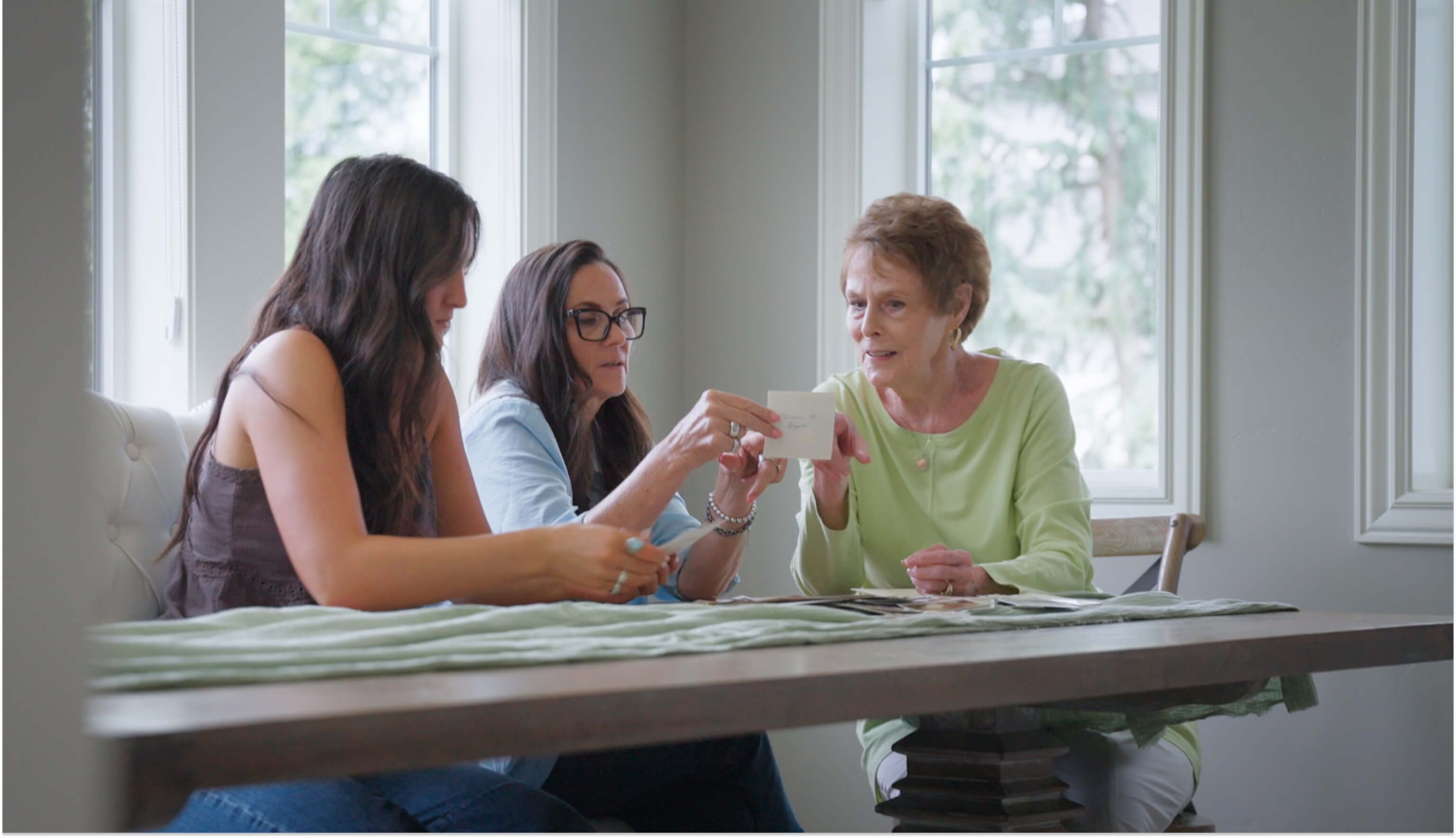
Even the best prompts cannot always surface the most vivid memories, but a photo often can. Seeing an old picture frequently triggers details that would otherwise stay dormant, such as the place, the people nearby, or what happened before or after the moment captured. This is why Remento allows photos to be added directly to prompts. When the storyteller receives the prompt, the image becomes part of the inspiration, helping the memory surface naturally and making the story easier to tell.
2. Photos help storytellers focus on a specific moment
Broad questions like “Tell me about your childhood” can feel overwhelming, but a photo narrows the frame. A picture of a first home, a childhood friend, or a family trip anchors the storyteller in a specific moment. This makes storytelling more natural and focused, aligning with Remento’s guided storytelling process where prompts help people recall meaningful experiences without feeling overwhelmed.
3. Photos bring recorded stories to life in the final book
Remento transforms recorded memories into written stories that can be compiled into a hardcover keepsake book. Adding photos after recording helps illustrate those stories and makes them more immersive for readers. Once a story is captured, you can upload images that correspond to the moment being described, allowing the final book to show the people, places, and events behind the words.
4. Photos help future generations connect with the story
Stories preserve meaning, but photos preserve context. For children and grandchildren who may not recognize the names mentioned in a story, photos provide an immediate connection to the people and places being described. Many families are surprised by how much they learn about loved ones through the storytelling process, discovering details that might never have come up in everyday conversation. Photos deepen that discovery by making the stories feel vivid and real.
5. Photos turn your stories into a visual family archive
Over time, the photos added throughout the storytelling journey become part of a larger family archive. Remento stores recordings, written stories, and cherished images together in one place, creating a shared memory hub for your family. Photos that once lived in albums or boxes gain new meaning when paired with the stories behind them, helping future generations understand not just what happened, but who their family members were.
How to add photos to Remento
Adding photos to your Remento project is simple, and you can do it at multiple points during the storytelling process. You can add photos to prompts before a story is recorded to help inspire the storyteller. This is a great way to spark specific memories or guide the story toward a particular moment. You can also add photos to existing stories after they are recorded, allowing you to illustrate the memory and enrich the chapter that will appear in the final book.
When uploading photos, you have several options. You can upload images directly from your device, or you can connect to external sources like Google Drive, Facebook, or Instagram to import photos quickly. This flexibility makes it easy to gather meaningful images from wherever your family’s photos already live. You can learn more here.
Whether you add them before or after recording, photos help transform each story into something richer, more vivid, and more meaningful for the generations who will experience it later.